Homeowners in Canoga Park face long, dry summers and cool, dusty winters. HVAC equipment works hard in this climate, and small issues can snowball into breakdowns during a heat wave. A timely HVAC tune-up keeps energy bills in check, extends system life, and prevents surprise repairs. This article breaks down real-world costs, ideal timing, and what a thorough tune-up should HVAC tune-up Canoga Park Season Control Heating & Air Conditioning include. It also explains how Season Control Heating & Air Conditioning approaches an HVAC tune-up in Canoga Park so residents can plan with confidence.
What a True HVAC Tune-Up Includes
A technician does more than a quick filter swap. A proper visit targets performance, safety, and reliability. On cooling systems, the tech inspects electrical components, measures refrigerant charge, cleans the condenser coil, checks temperature split, and verifies airflow. On heating, the tune-up focuses on burners, ignition, flame signal, heat exchanger condition, and venting. On all systems, the tech checks thermostat calibration, static pressure, and system start-up and shutdown.
Clients sometimes ask whether this is a “check” or “clean and check.” For Canoga Park, dust and yard debris collect faster than in milder regions, so cleaning is part of the job. If a contractor skips coil cleaning, the system usually runs longer, draws more amps, and cools less. Expect a legitimate visit to last 60 to 90 minutes for a single system.
Typical HVAC Tune-Up Costs in Canoga Park
Pricing in the West Valley sits in a clear range. For a single residential system, most homeowners pay $99 to $189 for a one-time tune-up outside of peak season. During the first heat wave of late spring, some companies raise rates due to demand. Maintenance plans often bring that per-visit cost down to $79 to $139, with added benefits such as priority scheduling and discounts on repairs.
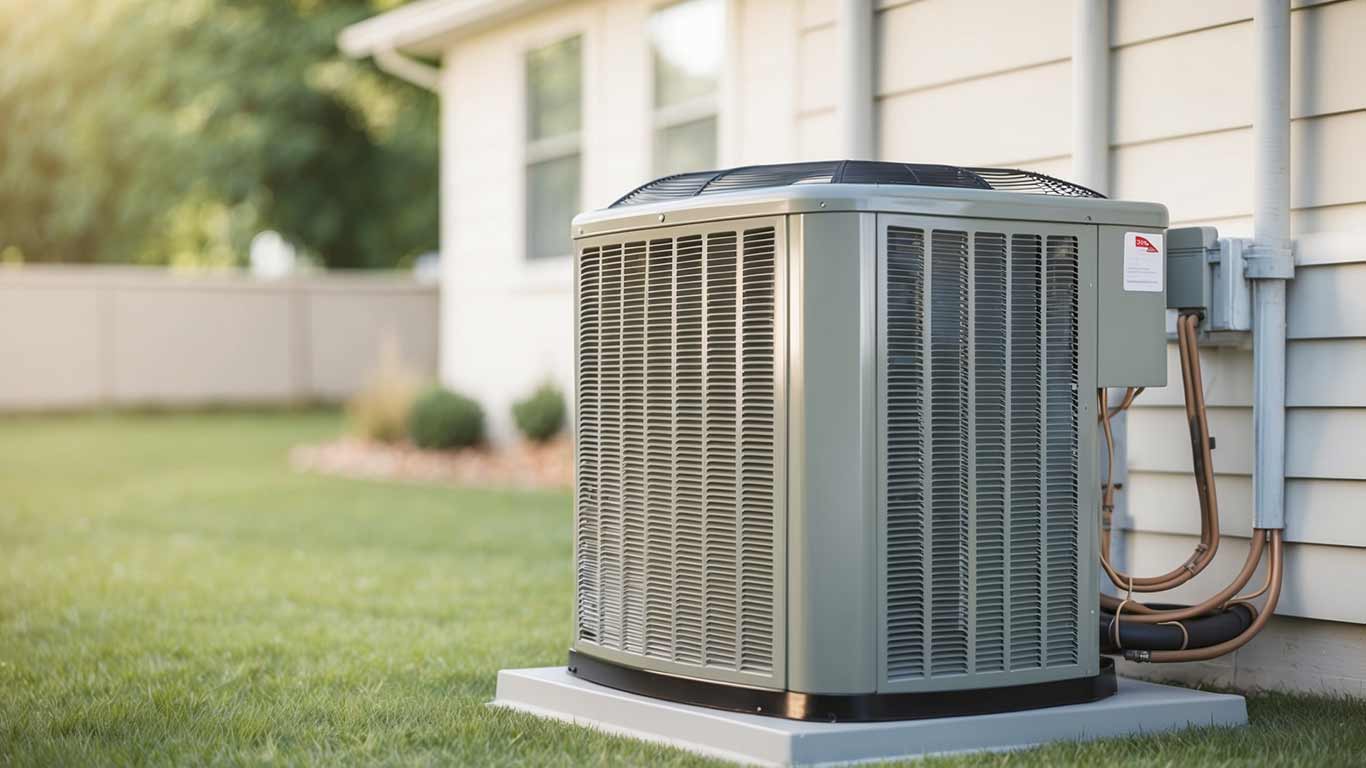
Service specifics can shift the price:
- Roof-mounted package units common in parts of Canoga Park may add a small access fee. Coil cleaning that requires chemical wash or heavy build-up removal can increase the ticket slightly. Heat pump systems may require both heating and cooling checks, though many plans include both modes without extra fees.
For transparency, Season Control Heating & Air Conditioning provides up-front pricing before work begins, along with photos or readings that show the system’s condition.
Best Maintenance Frequency for Canoga Park Homes
For most homes, two tune-ups per year is the sweet spot: one in spring for cooling readiness and one in fall for heating safety and performance. Canoga Park’s dusty air, valley winds, and long runtime during July through September add strain, so a twice-yearly schedule reduces breakdowns and keeps utility bills stable.

Some edge cases:
- Newer systems still benefit from two visits yearly. Early detection protects warranty coverage since many manufacturers require documented maintenance. Homes near busy roads or with pets often need filter changes every one to two months and benefit from an extra mid-season check on airflow and coil cleanliness. Vacation rentals or ADUs with intermittent use can stick to spring and fall checks; unused systems still need inspection because sitting idle can dry out capacitors and trap dust on coils.
If a homeowner budget allows only one visit per year, spring is the better choice in Canoga Park due to summer load and heat-related failures. Just understand heating safety checks in fall are still important, especially for gas furnaces.
What Homeowners Can Do Between Visits
Small habits help the system run smoother. Replace filters regularly based on thickness and MERV rating. Keep five feet of open space around outdoor condensers and clear leaves and lint from the coil fins using a gentle stream of water. Set the thermostat to a realistic schedule; large swings often force long run cycles. If registers sound whistly, the system may have a duct restriction or a filter that is too restrictive for the blower.
Watch for rising energy bills without a comfort change, ice on the refrigerant lines, frequent short cycling, or a musty smell at start-up. These signs point to airflow or refrigerant issues that a tune-up can catch early.
How a Thorough Tune-Up Pays Off
The savings come from a few areas. Clean coils and correct refrigerant charge improve heat transfer, which usually trims 5% to 15% from cooling energy use. Proper fan speed and static pressure reduce wear on blower motors. Tight electrical connections and healthy capacitors prevent no-cool calls that often land on the hottest days and carry emergency fees. On gas furnaces, checking combustion and venting is a safety measure that also improves heat output.
Longevity matters too. Compressors and heat exchangers fail early when airflow or charge is off. A $129 seasonal tune-up several times over a few years often prevents a $1,800 to $4,500 major repair.
What to Expect During a Season Control Tune-Up
Season Control’s approach to an HVAC tune-up in Canoga Park centers on clear data and no-pressure recommendations. The tech begins with a brief walkthrough of comfort concerns, recent bills, noises, and hot or cold rooms. After that, the tech records baseline readings, including temperature split, static pressure, and voltage and amperage draws. Outdoor coils get a rinse when accessible. If the indoor coil is matted with debris, the tech discusses cleaning options before proceeding.
For cooling checks, refrigerant charge is verified using superheat and subcooling. The tech cleans the condenser fan compartment, inspects contactor points, and tests capacitors under load. For heating checks, the tech checks ignition, inspects burners and flame pattern, measures carbon monoxide at supply registers where applicable, and confirms proper vent draft. At the end, the homeowner receives a summary with photos or video, recommended filter type and change frequency, and any minor repairs that should be handled now versus those that can wait.
Choosing the Right Maintenance Plan
Maintenance plans vary. A good plan is simple, covers two visits per year, includes basic cleaning, and provides a discount on parts and labor if a repair is needed. Ask about:
- What is included in the standard visit and what counts as an add-on. Whether coil cleaning is a rinse or a chemical wash when needed. Response times during heat waves and whether plan members get priority. Documentation for manufacturer warranties and home resale records.
Many Canoga Park homeowners pair a plan with indoor air quality upgrades that actually support equipment health, such as a media filter cabinet or a UV light over the coil to reduce bio-growth. These upgrades can reduce coil fouling and keep static pressure in range when correctly sized.
Common Issues Found in Canoga Park Homes
Technicians see patterns in this area. Rooftop units often suffer from sun-baked wiring insulation and brittle capacitor leads. Ground condensers near laundry areas pick up lint on coils, which acts like a blanket and stifles heat rejection. Older flex duct sections can sag, cutting airflow to back bedrooms. Attic furnaces sometimes sit in tight spaces with undersized returns, which drives high static pressure and noisy registers. These are fixable issues identified during a tune-up, and most have modest repair costs if caught early.
Budgeting: Yearly Cost vs. Emergency Repairs
A typical Canoga Park homeowner with one system who enrolls in maintenance spends roughly $160 to $280 per year. This usually includes two visits and minor consumables. Compare that to a peak-season no-cool visit, which can start around $149 for the diagnostic alone, plus parts. A failed dual-run capacitor might be a $200 to $350 repair visit with the diagnostic. A damaged condenser fan motor can reach $450 to $750. Compressors or evaporator coils run into the thousands. Routine maintenance does not remove all risk, but it statistically reduces the most common failures.
Timing Your Appointment for Best Results
Spring bookings fill up fast. Scheduling in March or early April beats the rush and gives time for any part replacements before high heat. Fall visits in October or early November prepare gas furnaces and heat pumps before cold December nights. If a system sits idle for months, a quick off-season check helps prevent start-up surprises.
Ready for a Reliable HVAC Tune-Up in Canoga Park?
Season Control Heating & Air Conditioning serves Canoga Park, Winnetka, West Hills, and nearby neighborhoods with data-driven maintenance and clear communication. If the goal is stable bills, fewer surprises, and a longer system life, a well-timed HVAC tune-up in Canoga Park is the smartest first step. Call to schedule a spring or fall visit, or ask about a two-visit maintenance plan that fits the home’s needs and usage. The team is local, appointment windows are tight, and every visit ends with practical next steps, not guesswork.
Season Control Heating & Air Conditioning provides HVAC services in Canoga Park, CA, with 24/7 heating, cooling, and air quality solutions. With over 20 years of local experience, our certified technicians handle AC installation, maintenance, furnace repair, and indoor air quality improvements. We are a certified Lennox distributor and offer repair discounts, free estimates for system replacements, and priority service appointments. Backed by more than 250 five-star Google reviews, 65 five-star HomeAdvisor reviews, and an A+ BBB rating, we are committed to reliable service and year-round comfort for Canoga Park homeowners and businesses.
Season Control Heating & Air Conditioning
7239 Canoga Ave
Canoga Park,
CA
91303,
USA
Phone: (818) 275-8487
Website: https://seasoncontrolhvac.com/service-area/hvac-service-in-canoga-park
Map: View on Google Maps